












































 Advertisement
 Advertisement





















Rosedale, A Modern City in the State of N.Y. 1978 rosedale racial history, Let us not forget,if not, history have a tendency of repeating itself, that is why these attitudes / behaviors should not be conserved, since we need all human’s resource to make America great in this new world.
The racial history of Rosedale, Queens, in the late 1970s was defined by intense conflict and violence as the neighborhood transitioned from a nearly all-white enclave to a more diverse community.
The New York Times
The New York Times
+1
Key Racial Dynamics in 1978
Demographic Shift: By the late 1970s, Rosedale—previously a predominantly white working-class neighborhood of Italian, Irish, and Jewish heritage—experienced an influx of middle-class African American and Caribbean families.
Organized Resistance: Some white residents formed groups like ROAR (Return Our…)..(Google).
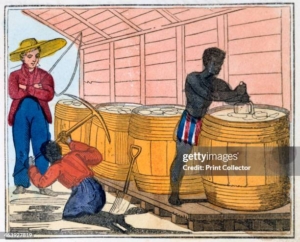
laughing barrel act #image_title #image_title #image_title #image_title #image_title
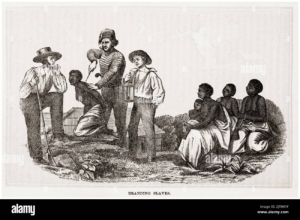
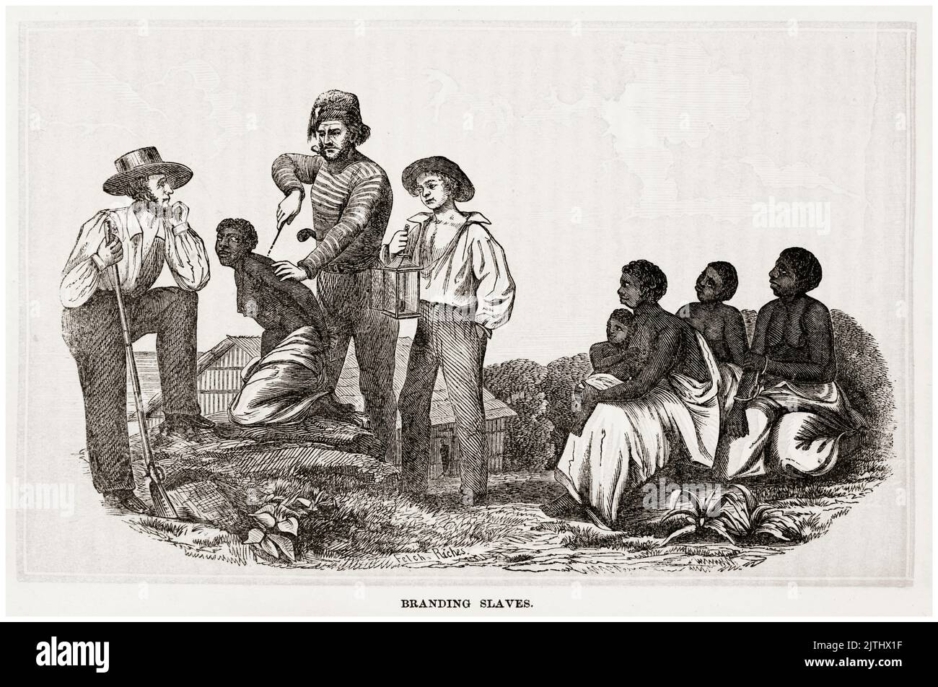
The term laughing barrel act refers to a historical account from the era of chattel slavery in the United States. According to folklore and historical narratives , enslaved people were often forbidden from laughing or showing joy in the presence of white enslavers, as it was viewed as a sign of disrespect .
To avoid punishment, enslaved people would reportedly lean their heads deep into barrels—sometimes filled with water to further muffle the sound—to release their laughter out of earshot. This act is often cited as a powerful example of Black joy as resistance, where individuals found subversive ways to maintain their humanity and emotional freedom under oppressive conditions.
Key Contextual Details
The “Barrel of Laughs” Connection: Many believe this practice is the literal origin of the idiom “a barrel of laughs,” though etymologists often debate whether the phrase is a metaphorical reference to a “large amount” (like a barrel of fun) or a direct link to these historical barrels .
Literary References: The concept was notably explored by author Ralph Ellison , who used it to illustrate how white supremacy sought to regulate even the most basic human emotions.
Shouting Barrels: A similar practice involved “shouting barrels” used during clandestine religious services to stifle the noise of singing and worship from slave patrols.
Are you looking for more historical examples of how enslaved people used subversion to communicate or express themselves?